Source Digital Luminova Alarm Clock for Home, Office, and Travel
Explore 30 listings for the digital luminova alarm clock with features like color changing, radio, and multiple alarm groups. Buyers can compare specifications, prices, and customization options from verified suppliers in Guangdong, China.
Key considerations
Products List
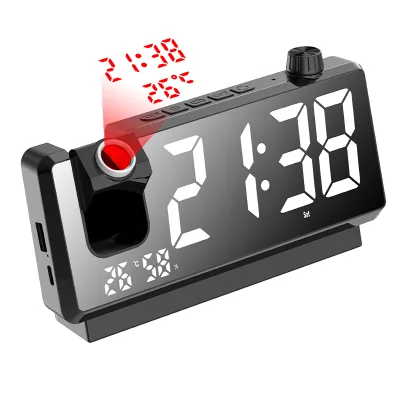
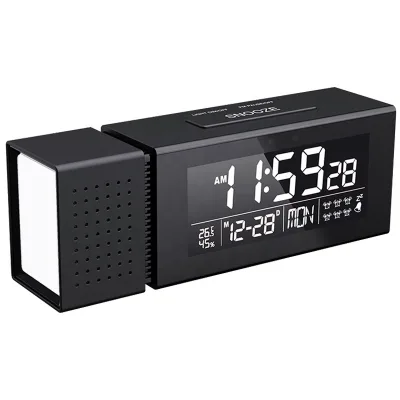
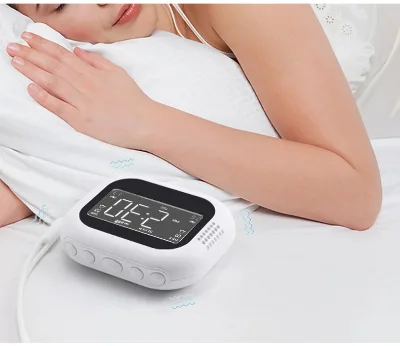
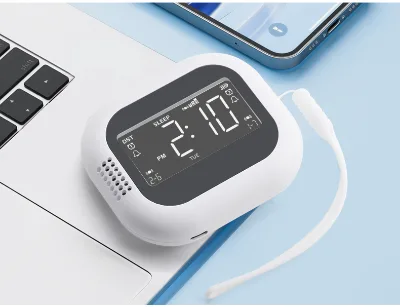
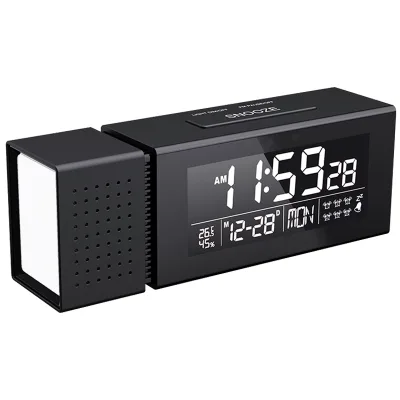


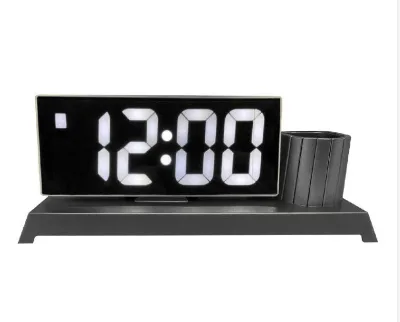


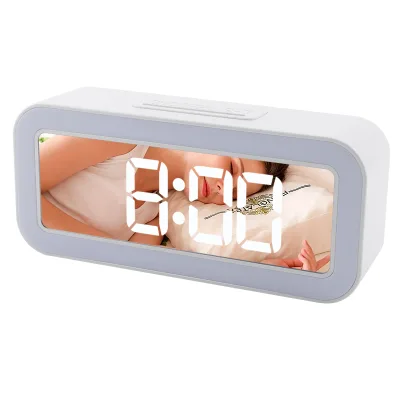


Comprehensive Sourcing Guide
Strategic Sourcing Guide for Digital Luminova Alarm Clocks
Understanding Product Attributes and Technical Variations
When sourcing digital luminova alarm clocks, buyers must first navigate a landscape of diverse technical specifications that define the product's functionality and market positioning. The core keyword implies a device that combines digital timekeeping with a glow-in-the-dark feature, yet the actual market offerings vary significantly in their underlying mechanics and feature sets. Based on observed product data, the "Digital" display type is a primary identifier, often paired with "Digital LCD Display" technology to ensure clarity in low-light conditions. The presence of "LUMINOVA" as a specific feature indicates the use of photoluminescent materials on the dial or hands, allowing the clock to absorb light and emit a glow in the dark, a critical attribute for night-time usability.
However, the technical architecture is not uniform. While some units operate on an "Electrical" mode with a "DC 5V" input alongside battery options, others are strictly "Mechanical" or rely on "Battery" power, specifically noting configurations like "3AAA Battery." This distinction is vital for procurement, as it dictates the required power infrastructure and user maintenance cycles. The physical form factor also presents a wide range of options. Observed data includes "Square" and "Circular" shapes, with specific dimensions such as "16744*60mm" for larger units and smaller packages measuring "15X10X3.4 cm." The material composition is predominantly "ABS," a durable plastic that offers a balance of weight and resilience, with weights ranging from "210g" to "500g" depending on the internal mechanism and size.
Furthermore, the functional capabilities extend beyond simple timekeeping. Advanced models in this category offer "6 Groups" of alarms, "Snooze Function," and even "Radio" integration, transforming the device into a multifunctional station. Some units feature "Color Changing" capabilities, offering "Seven colors switch" options, which adds a modern aesthetic layer to the utility. The "Operating Mode" can range from simple electronic movement to more complex systems, and the "Movement Type" is generally listed as "Electronic," though some entries note "NA" or "External Power Supply" as the motivity type. Buyers must carefully map these attributes to their specific end-user needs, as a "Vibration alarm clock" serves a different demographic than a standard "Desk Clocks" unit.
Compliance, Certification, and Regulatory Standards
In the global B2B market, compliance is not merely a formality but a prerequisite for market access and liability protection. When sourcing digital alarm clocks, particularly those manufactured in regions like "Guangdong, China," verifying the certification status of the product is essential. The observed data explicitly lists "CE ROHS FCC" as available certificates for certain models. These certifications indicate adherence to specific safety and environmental standards: CE marks conformity with European health, safety, and environmental protection standards; RoHS restricts the use of specific hazardous materials in electrical and electronic equipment; and FCC ensures the device does not interfere with radio communications in the United States.
However, buyers must exercise caution and avoid assuming that every listed product carries these certifications. The data presents these as attributes of specific items, not as a universal guarantee for the entire category. Procurement teams should request valid, up-to-date test reports from suppliers for each batch ordered. Relying on general market knowledge about standards like "ISO9001" or "ISO14001" is insufficient without direct verification from the supplier, as these are management system standards rather than product-specific safety marks. The presence of "CE" in the observed data suggests a baseline for European export, but the buyer must confirm the scope of the certificate, including the specific product model number (e.g., "TS-BC70F" or "U8A") to which it applies.
Additionally, the "Logo" attribute indicates that "Accept Customized Logo" is a common service, which often involves rebranding processes that must not compromise the original certification validity. If a supplier modifies the product casing or internal components to accommodate a custom logo, the original CE or FCC certification may no longer be valid for the modified unit. Therefore, the procurement strategy must include a clause requiring the supplier to re-certify any customized versions before shipment. The "Certificate" field in product listings should be treated as a variable attribute that requires active validation rather than a static fact.
Cost Drivers and Pricing Dynamics
The pricing structure for digital luminova alarm clocks is influenced by a complex interplay of factors, including material costs, feature complexity, and order volume. The observed price range spans from $0.63 to $12.00 USD, a significant variance that reflects the diversity in product quality and specification. The lower end of this spectrum likely corresponds to basic models with simple digital displays, minimal features, and standard ABS construction. In contrast, the higher price points are associated with units featuring advanced functionalities such as "Radio," "Calendar" integration, "Color Changing" lights, and more robust power systems combining "3*AAA Battery" with "DC 5V" inputs.
The Minimum Order Quantity (MOQ) is another critical cost driver, with observed ranges extending from 1 unit to 3,000 units. For buyers seeking to test the market or fulfill small-scale retail needs, the ability to order single items or small batches is advantageous, though the unit cost will be higher. Conversely, bulk purchasers can leverage economies of scale to reduce the per-unit cost, potentially accessing the lower end of the price range. The "Selling Units" attribute, often listed as "Single item," suggests that the base unit of trade is flexible, but the financial impact of packaging and logistics must be factored into the total landed cost.
Material selection also plays a role in pricing. While "ABS" is a standard material, the thickness, quality, and finish (e.g., matte vs. glossy) can affect the cost. The "Weight" of the product, ranging from 210g to 500g, correlates with the amount of material used and the complexity of the internal electronics. Heavier units with "Single gross weight" up to 0.400 kg may include more substantial components or additional features, justifying a higher price point. Buyers should analyze the total cost of ownership, including shipping costs which are heavily influenced by the "Single package size" (e.g., 20X10X6 cm vs. 15X10X3.4 cm) and the density of the shipment.
Typical Applications and Market Segmentation
The versatility of digital luminova alarm clocks allows them to serve a wide array of applications, catering to different consumer segments and usage scenarios. The "Occasion" attribute in the data highlights several distinct use cases, including "Every Day," "Retirement," and general "Household" usage. For the general consumer, the "Modern" design style and "Square" or "Circular" shapes make these clocks suitable for bedside tables, desks, and living spaces. The "LUMINOVA" feature is particularly valuable for "Every Day" use, ensuring visibility during power outages or late-night wake-ups.
Specific market segments also emerge from the data. The mention of "Retirement" as an occasion suggests a demographic focus on older adults who may require larger displays, clearer indicators, or specialized features like "Vibration alarm clock" capabilities for those with hearing impairments. The "Infrared sensor night light alarm clock" variant indicates a niche application for automated lighting control, appealing to tech-savvy consumers or those seeking energy-efficient home solutions. The "Color Changing" feature and "Seven colors switch" options cater to a younger demographic or those looking for decorative elements that can match room aesthetics.
The "Usage" field, explicitly stating "Household," reinforces the primary market focus. However, the "Type" classification includes "Desk Clocks" and "Vibration alarm clock," suggesting potential secondary markets such as offices, dormitories, or specialized care facilities. The "Operating Mode" being "Electrical" or "Mechanical" also influences the application; electrical models are preferred for permanent setups, while battery-operated mechanical models might be used in environments where power reliability is a concern. Understanding these segmentation nuances helps buyers tailor their sourcing strategy to specific customer bases rather than adopting a one-size-fits-all approach.
Supplier Evaluation and Operational Due Diligence
Evaluating suppliers for digital alarm clocks requires a rigorous due diligence process that goes beyond surface-level product listings. The "Brand Name" attribute reveals a fragmented market with multiple players, such as "LIANGDIDI" and "MJH," indicating that buyers should not rely on brand reputation alone but must verify the manufacturing capabilities of each entity. The "Place of Origin" is consistently listed as "Guangdong, China," a major manufacturing hub known for electronics production. While this provides a baseline for supply chain logistics, buyers must assess the specific factory's capacity, quality control systems, and export experience.
Key evaluation criteria should include the supplier's ability to handle "Customized Logo" requests, as this is a common requirement for B2B buyers. The supplier must demonstrate a proven track record of maintaining product integrity during customization. Additionally, the "Model Number" (e.g., "U8A", "TS-P30", "TS-BC70F") serves as a unique identifier; buyers should ensure that the supplier can consistently reproduce these models without deviation in specifications. The "Single package size" and "Single gross weight" data points are crucial for logistics planning, and suppliers should provide accurate and consistent packaging data to avoid unexpected shipping costs or delays.
Buyers should also scrutinize the "Power" specifications, ensuring that the supplier can provide units compatible with the target market's voltage and battery standards. The presence of "DC 5V" and "3*AAA Battery" options suggests flexibility, but the supplier must guarantee the quality of the power components. Furthermore, the "Certificate" status must be verified through third-party testing agencies to ensure authenticity. A supplier's willingness to provide detailed technical documentation, including schematics and material safety data sheets, is a strong indicator of reliability and transparency.
Quality Control and Long-Term Procurement Considerations
Maintaining high quality in digital alarm clock procurement requires a robust quality control (QC) framework that addresses both functional and aesthetic standards. The "Feature" list, including "Radio," "Calendars," and "LUMINOVA," must be tested for performance consistency. For instance, the "LUMINOVA" glow should be verified for brightness and duration, ensuring it meets the expectations set by the "Modern" design style. The "Digital LCD Display" must be checked for clarity, contrast, and responsiveness, especially in varying light conditions.
Long-term procurement considerations involve establishing a sustainable supply chain that can adapt to market changes. The "Selling Units" and "MOQ" flexibility observed in the data suggests that buyers should negotiate terms that allow for scalable ordering. As demand fluctuates, the ability to adjust order quantities without significant penalties is crucial. Additionally, the "Color" options (Black, White, Pink, Seven colors switch) require careful inventory management to prevent stockouts of popular variants.
Buyers should also consider the lifecycle of the product. The "Movement Type" being "Electronic" implies a reliance on batteries or external power, which affects the product's longevity and environmental impact. Implementing a recycling program for batteries or designing for easy disassembly can enhance the product's appeal in environmentally conscious markets. Finally, maintaining open communication channels with suppliers for continuous improvement is essential. Regular audits and feedback loops can help identify areas for enhancement, ensuring that the sourced products remain competitive and reliable over the long term. By focusing on these strategic elements, buyers can secure a steady supply of high-quality digital luminova alarm clocks that meet the evolving needs of their customers.
FAQs
What certifications do digital luminova alarm clocks typically have?
Some models include CE, RoHS, and FCC certifications for safety and compliance. Buyers must verify these certificates for specific model numbers like TS-BC70F before ordering, as not every unit in the category carries these marks automatically.
How can I customize the logo on these alarm clocks?
Suppliers generally accept customized logo requests for branding purposes. However, any modification to the casing or internal components to accommodate a logo may require re-certification to ensure the original CE or FCC validity remains intact for the new batch.
Which power options are available for these digital alarm clocks?
Common power configurations include 3 AAA batteries combined with a DC 5V input. Some units operate solely on battery power, while others rely on external electrical sources, so buyers should check the specific power specification for each model.
Can I find alarm clocks with specific shape and material options?
Yes, products are available in square or circular shapes made from durable ABS material. Dimensions vary significantly, with some units measuring 167mm in length and others weighing as little as 210 grams, depending on the internal mechanism and design.
What is the price range for bulk orders of these clocks?
The observed price range spans from 0.63 to 12 USD per unit. Lower prices typically correspond to basic models with fewer features, while higher costs reflect advanced functions like radio integration, color changing lights, or complex power systems.
How does the MOQ affect the unit cost for these products?
Minimum Order Quantities range from 1 to 3000 units, influencing the per-unit price. Smaller orders may cost more individually, whereas bulk purchasing allows buyers to leverage economies of scale to access the lower end of the price spectrum.
What features distinguish advanced models from basic versions?
Advanced models often include features like six alarm groups, snooze functions, and radio capabilities. Basic versions may only offer simple timekeeping with a digital LCD display and luminova glow, lacking the multifunctional integration found in higher-tier units.
Where are these digital alarm clocks typically manufactured?
Most products originate from Guangdong, China, a major hub for electronics manufacturing. Buyers should verify the specific factory location and capacity, as the region hosts numerous suppliers with varying quality control standards and export capabilities.